
How much can I borrow for a home loan?
“How much can I borrow for a home loan?” is one of the most searched questions by first home buyers, upgraders and investors, and for good reason. The answer shapes where you can buy, what kind of property you can afford and how confident you feel moving forward.
But here’s the problem: most people think borrowing capacity comes down to a simple calculator result. In reality, how much you can borrow for a home loan depends on a combination of lender policy, current interest rates, your personal circumstances and even how your application is structured. Location matters as well; two people who earn the same income can receive different answers because of the postcode where they want to buy.
At The Property Education Company, we are focused on education, and helping people figure out exactly how much they can borrow for a home loan. We love serving first home buyers, upsizers and everyone in between, and have helped hundreds of clients from Melbourne and beyond to buy property.
This article explains how borrowing capacity really works, what lenders look at and how to think not just about how much you can borrow, but how much you should borrow.
In short: How much can I borrow for a home loan?
- Asking “How much can I borrow for a home loan?” depends on far more than income
- Lenders assess debts, expenses, buffers and policy rules
- Online calculators are guides, not answers reduce borrowing capacity, even if your balances are paid off.
- Credit cards and BNPL limits may reduce your borrowing power
- Interest rates and mandatory ‘buffers’ affect your borrowing capacity
- Different lenders will say yes or no to different amounts and borrowing scenarios
- Strategy and structure matter as much as numbers
What does “how much can I borrow for a home loan” actually mean?
When lenders assess how much you can borrow for a home loan, they are answering one key question: Can you comfortably service this loan, even if interest rates rise and your expenses increase?
‘Servicing’ means making repayments, which you will have to do on a monthly or fortnightly basis.
To answer their big question, banks and lenders apply their own servicing models. These models are similar in principle but differ in execution, which is why your borrowing capacity or ability to qualify for a loan at all can vary significantly between lenders.
This means:
- There is no single borrowing figure based solely on income
- Online borrowing capacity calculators are guides only because lenders review your application as an individual
- You need to know which lender to approach as well as having your finances in order
The main factors that determine how much you can borrow to buy a home
1. Your income (and how it’s assessed)
Income sounds straightforward, but lenders assess it differently depending on how you earn it.
- PAYG employees may be assessed on base income, overtime, bonuses or allowances, but not all lenders treat these the same way.
- Casual or contract workers often need a track record of consistent income, but this doesn’t mean getting a home loan is out of the question
- Self-employed borrowers may not need perfect financials every year, but lenders will look at trends, business structure, and how income is presented.
The nature of your employment and the structure of your income are why two borrowers earning the same amount on paper may receive different loan offers from a lender.
2. Your existing debts and credit limits
One of the biggest borrowing capacity killers is existing debt.
Lenders assess:
- Credit cards at their maximum limit, not what you owe
- Your repayment activities
- Outstanding debts
- Personal loans, car loans, tax and HECS/HELP debts
Even if you pay a credit card off every month, the limit still reduces how much you can borrow for a home loan, sometimes by tens of thousands of dollars. This doesn’t mean you can’t borrow at all, just that you may need to adjust your strategy or your expectations.
3. Your living expenses and lifestyle
Lenders need to know if you can make those monthly repayments, and they won’t accept your stated expenses at face value. They cross-check:
- Household spending (things like groceries, utility bills, vehicle management)
- Non-essential spending (haircuts, dining out etc)
- Insurance costs
- Childcare costs
- The private school fees you pay
- Private health insurance costs
If your bank statements show higher spending than you declare in your application documents, lenders will use the higher figure. This is one of the most common reasons borrowing capacity comes in lower than expected.
It’s all about being able to prove you can service that loan. So if you earn $6k per month but spend $5.5k staying on top of your bills, lenders will question whether you can manage a home loan repayment each month.
Read more: Australian first home buyer stories: Real challenges, real wins
4. Interest rate buffers
When lenders calculate how much you can borrow, they don’t assess you at today’s interest rate.
Instead, they apply a buffer of typically around 3% higher than the actual rate, to ensure you could still manage repayments if rates increase .
This protects borrowers, but it also means:
- Your borrowing capacity may feel conservative
- Rising rates directly impact how much you can borrow
The buffer isn’t necessarily a bad thing because if interest rates do rise, it means you’ll already have the financial breathing room. We saw this rise happen after the historic lows of COVID; a spike in interest rates pushed some people close to the edge, so it’s always good to know you can afford to pay extra on your mortgage if you have a variable interest rate and find yourself facing a higher monthly amount.
In 2026, we’re not sure which direction interest rates will head in, so it’s a good idea to think about future breathing room.
5. Your deposit and loan-to-value ratio (LVR)
Your deposit affects borrowing capacity in two ways:
- Loan size – the more you contribute up front, the less you need to borrow
- Policy access – certain lenders have requirements around deposits
For first home buyers, government schemes can reduce the deposit required, but they also come with rules about how much cash you can keep after purchase, which often surprises buyers.
A mortgage broker for first home buyers can help you confirm if you’re eligible for first home buyer incentives and figure out exactly how much deposit you need.
Read more: First home buyer grants and concessions in Victoria: What you need to know
Why does borrowing capacity vary between lenders?
Every lender has its own appetite for risk, and many focus on specific types of loans or borrowers.
Some are more generous with:
- Overtime or bonus income
- Casual employment
- Self-employed borrowers
- Certain postcodes or property types
- Lending to teachers, nurses or doctors
Some lenders are more risk-averse when it comes to the location of the property or the valuation. This is why working with a broker matters, not to “stretch” borrowing, but to match your situation to the right policy.
The same borrower could well be approved for very different loan amounts, depending on the lender. It’s always worth exploring opportunities beyond the major banks, as there are second and third-tier lenders who may accommodate your limitations and requirements.
Read more: Why there is no ‘best’ lender for first home buyers.
How much can I borrow vs how much should I borrow
This is where most people get it wrong.
It’s fun to use a borrowing capacity calculator, manipulate a few numbers and see a $2 million budget looking back at you.
But just because a calculator or even a lender says you can borrow a certain amount doesn’t mean you should. A better approach is to start with your own comfort level.
Ask yourself:
- What repayment amount will be manageable if rates rise?
- Do I want cash buffers or an offset account?
- Am I planning children, a career change or investments?
- What will I do if I suddenly can’t afford to make repayments?
You don’t want to live on rice and beans for 30 years just because you bought a house! Let The Property Education Company help you figure out your borrowing ‘sweet spot’.
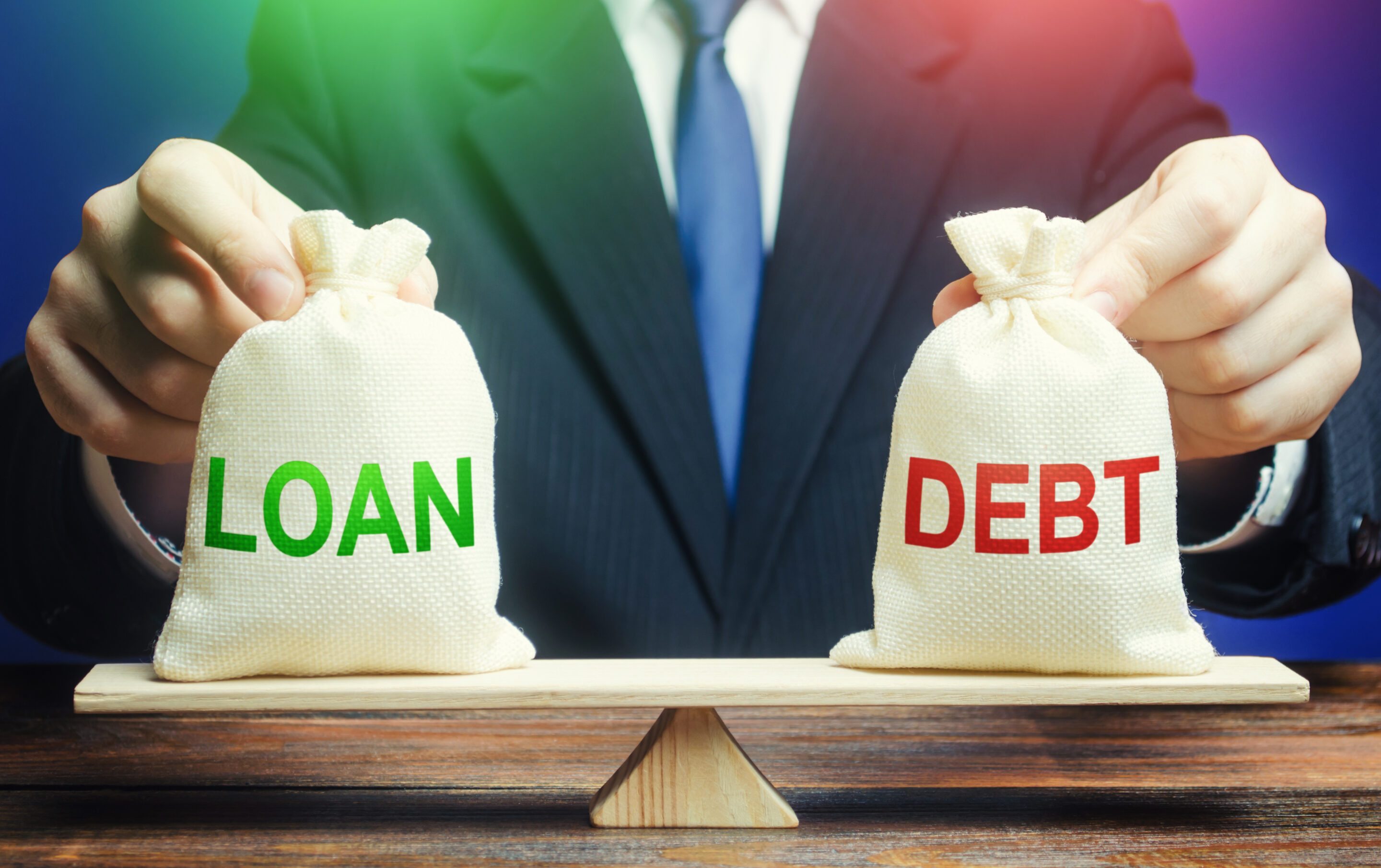
Using offsets and structure to improve outcomes
Borrowing capacity is also about structure.
In some cases, increasing the loan slightly while retaining cash in an offset account can:
- Improve long-term flexibility
- Reduce interest paid over time
- Support future investment plans
This kind of strategy is highly individual and depends on income stability, goals, and risk tolerance.
Need help to figure out how much you can borrow for a home loan?
We’ll show you a realistic figure, based on your savings, debt, plans and circumstances.
Book a first home buyer strategy call here.
“How much can I borrow for a home loan?” isn’t a single number, it’s a conversation.
The best outcomes come from understanding your position, choosing the right lender, and aligning your borrowing with your real-world life plans. When that happens, confidence replaces guesswork… and that’s when smart property decisions are made.
Read more: How to be 100% home loan ready in 2026
The Property Education Company:
What we do
The Property Education Company specialises in helping first home buyers figure out their borrowing power by educating them on lender policy and helping review their finances.
For first home buyers who want to borrow the maximum amount possible, working with a broker who focuses on education rather than transactions can make the process clearer and less stressful. It’s all about knowledge and preparation… and that’s what we focus on.
Home Loan Borrowing FAQs
How accurate are online borrowing calculators?
Being These are a good starting point, but provide a rough estimate only. They cannot account for lender-specific policies, credit limits or detailed expense analysis.
Have a look at a borrowing power calculator, then contact The Property Education Company for a more accurate estimate.
Does having a large deposit increase how much I can borrow?
A large deposit can improve options and reduce risk, but serviceability (repayment ability) is still the main constraint. So, for example, if you have a below average income but a $1 million deposit, you aren’t likely to qualify for a $1 million loan because the lender can’t see how you can afford the repayments.
Can I borrow more with a mortgage broker than going to a bank?
A broker doesn’t increase your borrowing capacity, but they can potentially identify lenders whose policies better suit your circumstances. This often comes at no cost to you, so reach out for more information.
Does having children reduce my borrowing capacity?
Yes. Dependants increase living expenses, which reduces how much lenders are willing to approve for a home loan. But this doesn’t necessarily mean you can’t borrow at all. Speak to a broker to come up with a strategy to buy a home.
Can I still borrow money for a house if I am self-employed?
Yes. Many lenders cater well to self-employed borrowers when income is structured and presented correctly.
Why does one bank say yes and another say no to a home loan application?
Different banks and lenders have different policies and requirements. Your mortgage broker can help you figure out which institutions to apply with and can also help you present your application correctly.
Got a goal to buy your home in 2026? Call 0468 026 200 right now or connect with The Property Education Company here.
About the author:
As an MFAA-certified finance broker, James Gregors has been helping first home buyers and other investors to build their property portfolio for many years. He is especially dedicated to helping first time buyers experience the excitement of buying their first home.
James loves learning about property opportunities then sharing what he has learnt with his clients. He has a natural flair for figures, which makes him a whiz at working out the most advantageous borrowing opportunities.
Disclaimer: This advice is general in nature. Your full financial situation would need to be reviewed prior to acceptance of any offer or product.
Licensing Statement: Credit Representative 365124) is authorised under Australian Credit Licence 389328.
